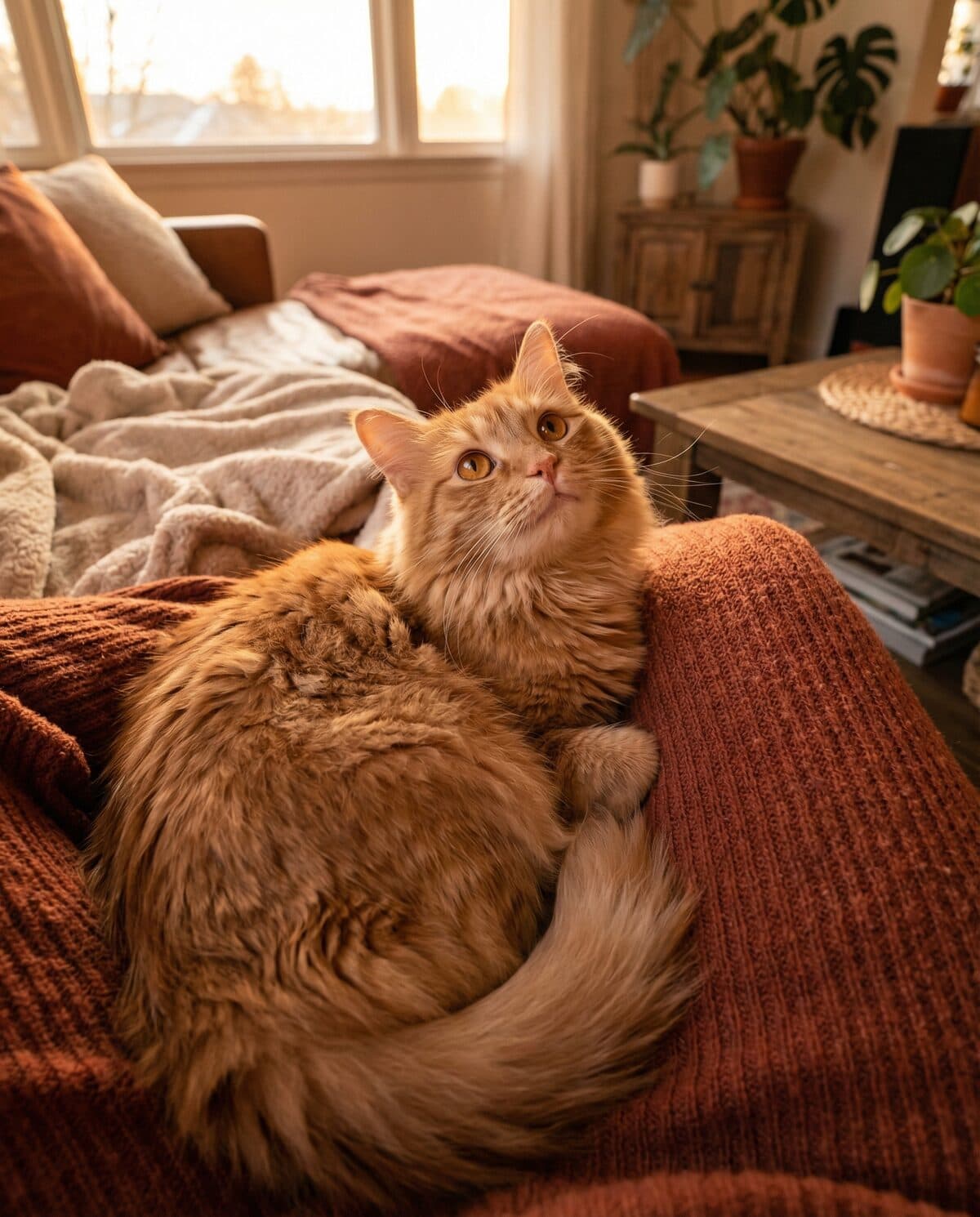
Cat Archetype
The Velcro Shadow
Your cat doesn't need space — they need to feel safe when you leave
Is This Your Cat? Take the Free QuizUnderstanding The Velcro Shadow
There are people who have never heard of feline separation anxiety because their cats largely ignore them. And then there are you — the people whose cats yowl at 3am, sit outside the bathroom door crying for the entire duration of every shower, follow you from room to room so closely that you've tripped on them, and pace frantically every morning as you put your shoes on. Your cat is not being dramatic. Your cat is genuinely distressed, and that distress is as real to them as yours would be in an equivalent situation. Understanding why this happens — and why it's treatable — starts with understanding what the Velcro Shadow is actually seeking.
Cats who develop this attachment pattern have, for a variety of reasons, learned to locate their felt sense of safety entirely in the owner's physical presence. This can be rooted in early weaning, in being the sole cat in a household without other social stimulation, in periods of illness or hospitalization where the owner became the primary source of comfort, or simply in a highly sociable genetic predisposition combined with an environment that inadvertently reinforced the behavior. The moment the owner moves out of sight, the cat's nervous system registers an absence of its primary safety signal. The yowling is not manipulation. It is a distress call, as involuntary as a child crying for a parent in the dark.
What makes this archetype particularly complex is that the natural human response — returning to the room, giving more attention, picking them up — is exactly what maintains and intensifies the pattern over time. Every time the cat vocalizes and the owner responds, the neural pathway that says "vocalization produces the owner's return" gets stronger. The cat is not learning that they can handle being alone; they're learning that they never need to. The 12-week Velcro Shadow Protocol works by systematically building the cat's capacity to tolerate and then enjoy independent time — not by withdrawing love, but by teaching the cat that safety can also come from within, from engaging activities, and from the reliable predictability of your comings and goings.
Signs Your Cat Is Velcro Shadow
Vocalizes excessively — yowling, meowing, and chirping for extended periods
Follows every room transition with obsessive persistence
Becomes frantic and destructive when left alone
Demands attention through pawing, headbutting, and climbing
Cannot self-soothe — anxiety escalates without human presence
Cries loudly and persistently when the owner is on the other side of a closed door
Common Behaviors You Might Recognize
- 🐱Yowling at 3am and continuing for 45 minutes without apparent cause
- 🐱Sitting outside the bathroom door and crying for the entire duration of a shower
- 🐱Knocking items off surfaces to force interaction when attention is withdrawn
- 🐱Pacing and vocalizing before the owner leaves for work, continuing for an unknown period after
- 🐱Refusing to eat unless the owner is present in the room
- 🐱Following so closely underfoot that the owner has nearly tripped multiple times
💪 Strengths
- Deeply emotionally attached and forms an unusually strong human-cat bond
- Highly responsive to their owner's emotional state and moods
- Affectionate, demonstrative, and rewarding to interact with
- Motivated to engage — makes training and behavior modification highly accessible
⚠️ Challenges
- Separation anxiety causes distress for both cat and owner
- Excessive vocalization disrupts sleep and daily life
- The attachment style, if reinforced inadvertently, intensifies over time
- Isolation at work or travel triggers acute anxiety episodes
The 12-Week Training Plan
Secure attachment vs. anxious attachment: understanding the difference and shifting the dynamic
Departure desensitization — pre-departure cues that predict safety rather than abandonment
Independence training: reinforcing calm, solo activity throughout the day
Creating a cat-specific enrichment routine that engages during owner absence
Teaching a station behavior as a calm alternative to following
Gradual alone-time extension protocol
Sleep boundary establishment — compassionate nighttime vocalization management
Interactive food puzzles and foraging activities for cognitive engagement when alone
Companion enrichment options: cat TV, window feeders, appropriate second-cat assessment
Reducing attention-seeking behavior by rewarding the absence of demand
Building predictability: consistent departure and return rituals that communicate safety
Long-term emotional regulation: a cat who can thrive with human connection but also without
Not Sure If This Is Your Cat?
Take our free quiz to discover your cat's exact behavioral archetype and get a personalized 12-week plan.
Take the Free Quiz →The 5 Cat Behavioral Archetypes
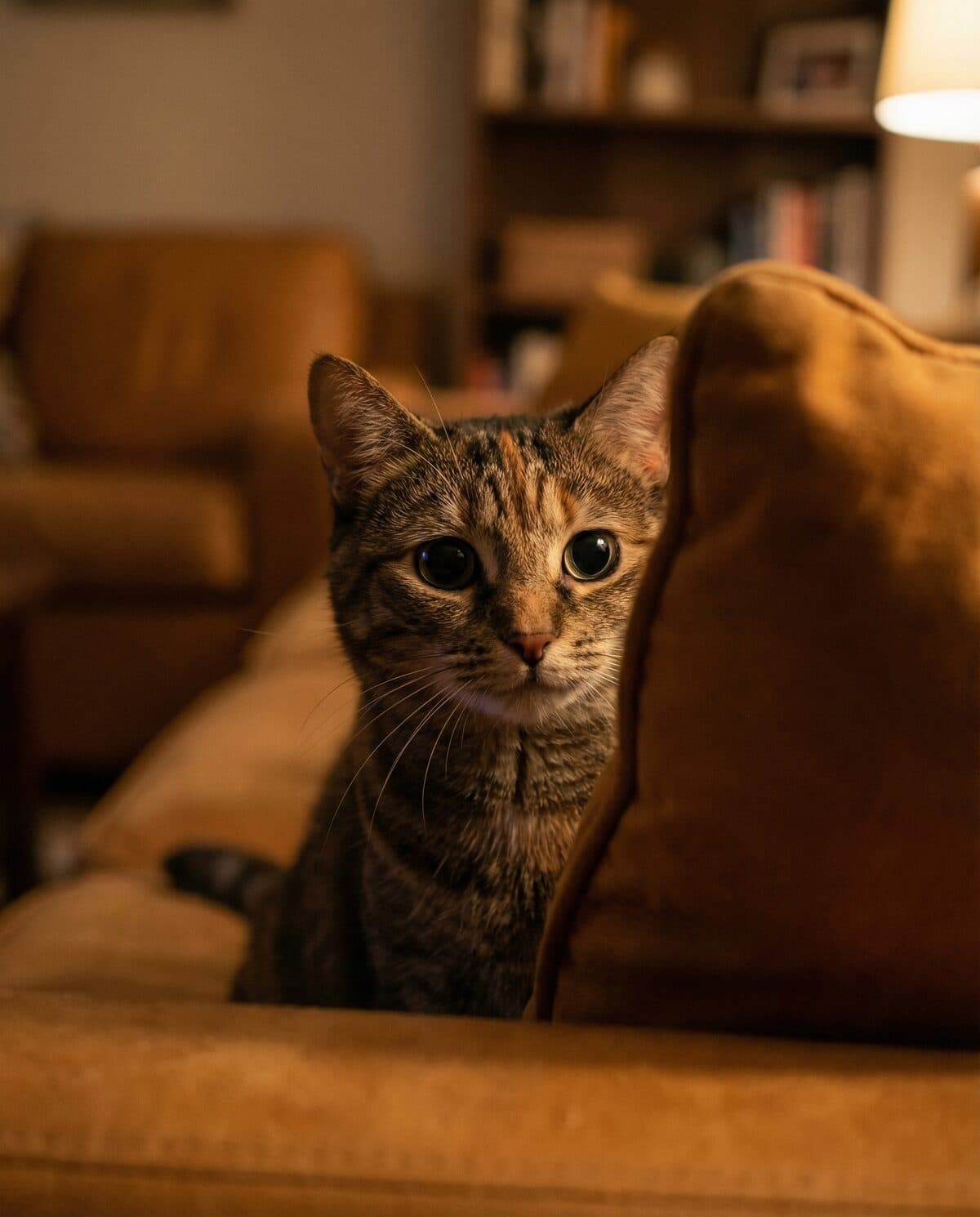
The Anxious Homebody
Your cat isn't antisocial — they're overwhelmed
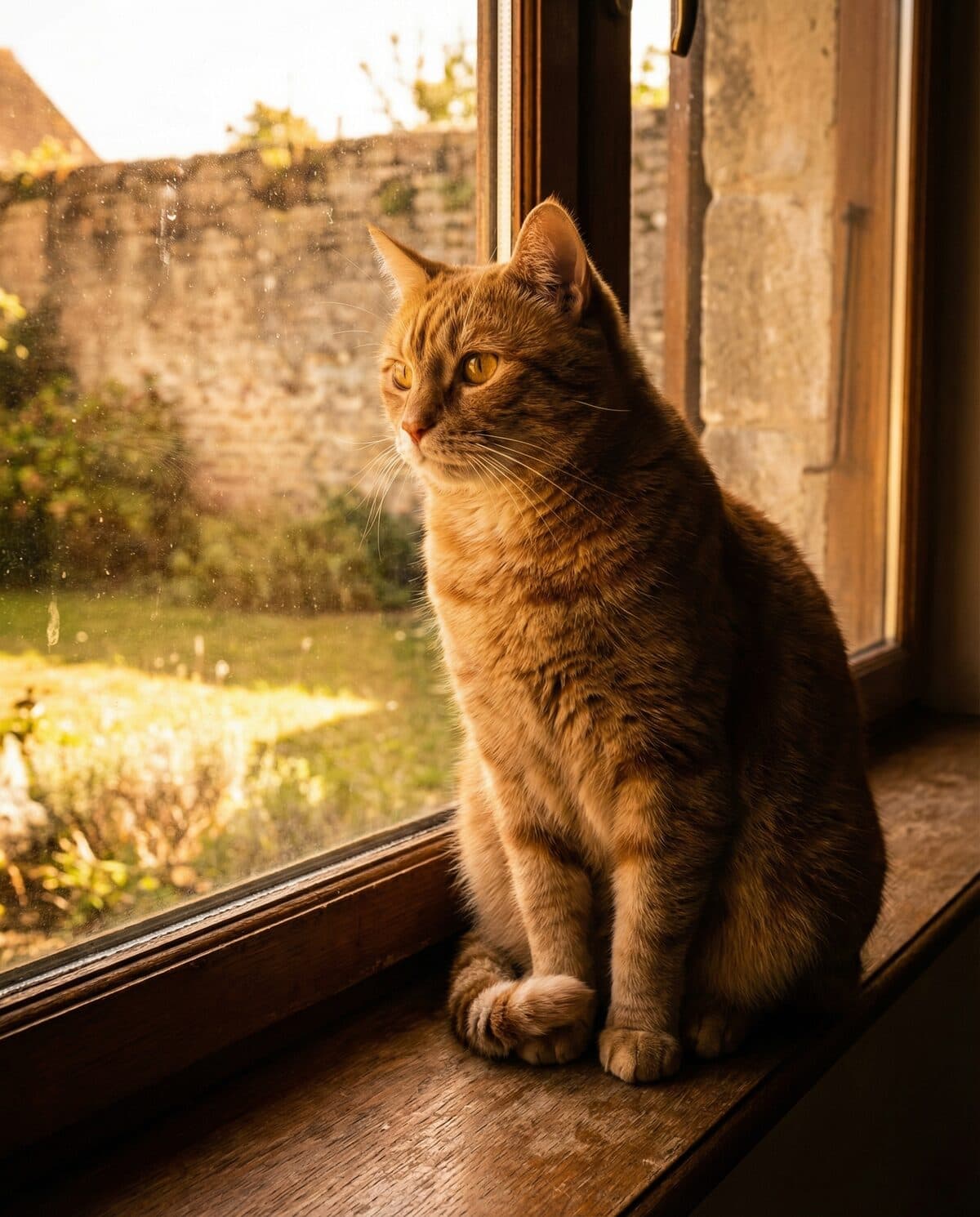
The Territorial Guardian
Your cat isn't mean — they're fighting for what they believe is theirs

The Overstimulated Hunter
Your cat isn't aggressive — they're speaking the language of the hunt

The Wild at Heart
Your cat isn't broken — they're operating on a different trust timeline