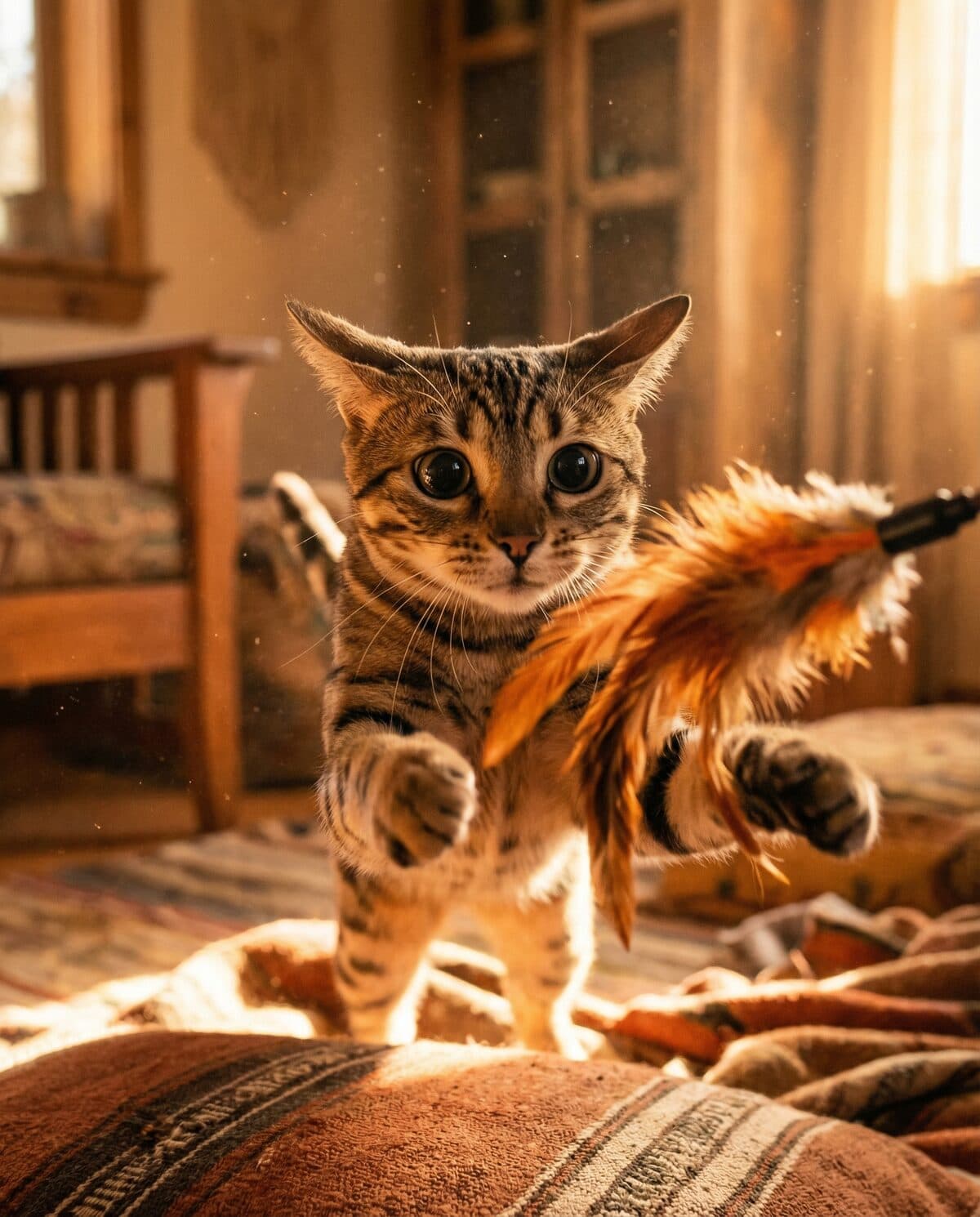
Cat Archetype
The Overstimulated Hunter
Your cat isn't aggressive — they're speaking the language of the hunt
Is This Your Cat? Take the Free QuizUnderstanding The Overstimulated Hunter
You were sitting quietly, stroking your cat, maybe watching television. The purring was deep and genuine. Everything felt peaceful. Then, without any apparent reason, your cat grabbed your arm with both front paws, raked with the back claws, and sank teeth into your wrist. It happened so fast it barely felt real. You pulled back, confused and stinging, while your cat blinked at you calmly as if nothing had occurred. This is the Overstimulated Hunter, and the seeming randomness of these attacks is precisely what makes them so frustrating — and so important to understand.
The Overstimulated Hunter is not being unpredictable. They are communicating in the language of prey. Cats have a hard-wired neurological sequence: orient, stalk, pounce, bite, kill. This sequence is triggered by movement — not malice. When you stroke a cat, your hand moving across their fur mimics the texture of prey movement. At some point, usually after petting has continued past the cat's tolerance threshold, the hunt-sequence activates. The cat doesn't decide to bite you. The cat's nervous system, flooded with stimulation, completes the circuit it was built for. The signals that something is building — tail thrashing, skin rippling, pupils dilating, a slight stiffening in the body — are real and readable, but they happen quickly and most owners simply haven't been taught to see them.
The second major presentation of this archetype is pure play aggression: the cat who stalks and ambushes people, who launches at moving feet, who starts playing gently and escalates to full contact within seconds. This is not malice either. It is a hunting drive with no appropriate outlet. In the wild, a cat of this intensity would spend multiple hours daily in the cycle of stalking, chasing, and catching prey. In a home environment without structured play, that drive has nowhere to go except onto the nearest moving object — which is usually you. The 12-week Overstimulated Hunter Protocol teaches you to read the signals, provide adequate hunt-appropriate outlets, and restructure interactions so that your cat can be the fierce, intelligent predator they were born to be — directed at toys instead of your hands.
Signs Your Cat Is Overstimulated Hunter
Bites or rakes with back feet mid-petting session without warning
Attacks feet, ankles, and moving hands with intense predatory focus
Play escalates rapidly to biting with no visible intermediate steps
Tail thrashes, pupils dilate, and skin ripples before a bite
Ambushes people from behind furniture or doorways
Redirects pent-up hunt drive onto humans when no appropriate outlet exists
Common Behaviors You Might Recognize
- 🐱Purring contentedly while being stroked, then whipping around and biting the hand without transitional signals
- 🐱Launching from the couch to attack a passing ankle with full claws and teeth
- 🐱Starting a play session with light swatting that escalates to full-bite attacks within seconds
- 🐱Tail puffing, skin rolling, and rapid tail-lashing moments before a bite that seems to come from nowhere
- 🐱Hiding behind corners and launching ambush attacks on people walking past
- 🐱Becoming frantic and frenetic in the evening hours, unable to settle
💪 Strengths
- Highly intelligent with remarkable problem-solving ability
- Energetic and playful — forms intense positive bonds through interactive play
- Responds quickly to structured enrichment and outlet-based interventions
- Alert, curious, and engaged with their environment
⚠️ Challenges
- Biting and scratching injure owners and erode the relationship
- Petting-induced biting is unpredictable and difficult for guests to navigate
- Play aggression creates fear in children and visitors
- Owners often misread the warning signals, triggering bites that feel completely sudden
The 12-Week Training Plan
Hunt-play-eat cycle introduction — structured interactive play before every meal
Reading pre-bite body language signals: tail position, skin texture, pupil dilation
Establishing a no-hands-in-play rule and redirecting to appropriate toys
Wand toy protocol: proper technique, duration, and wind-down sequences
Petting tolerance mapping — identifying where, how long, and what type is tolerated
Environmental enrichment to provide continuous low-level hunting stimulation
Puzzle feeder introduction to redirect food-motivated hunt drive
Ankle-attack interruption and redirection protocol
Teaching a freeze cue to use when escalation begins
Evening energy discharge routine to prevent the crepuscular frenzy
Guest interaction management — introducing strangers to the cat's play language
Long-term maintenance: sustaining healthy outlets so bite thresholds stay high
Not Sure If This Is Your Cat?
Take our free quiz to discover your cat's exact behavioral archetype and get a personalized 12-week plan.
Take the Free Quiz →The 5 Cat Behavioral Archetypes
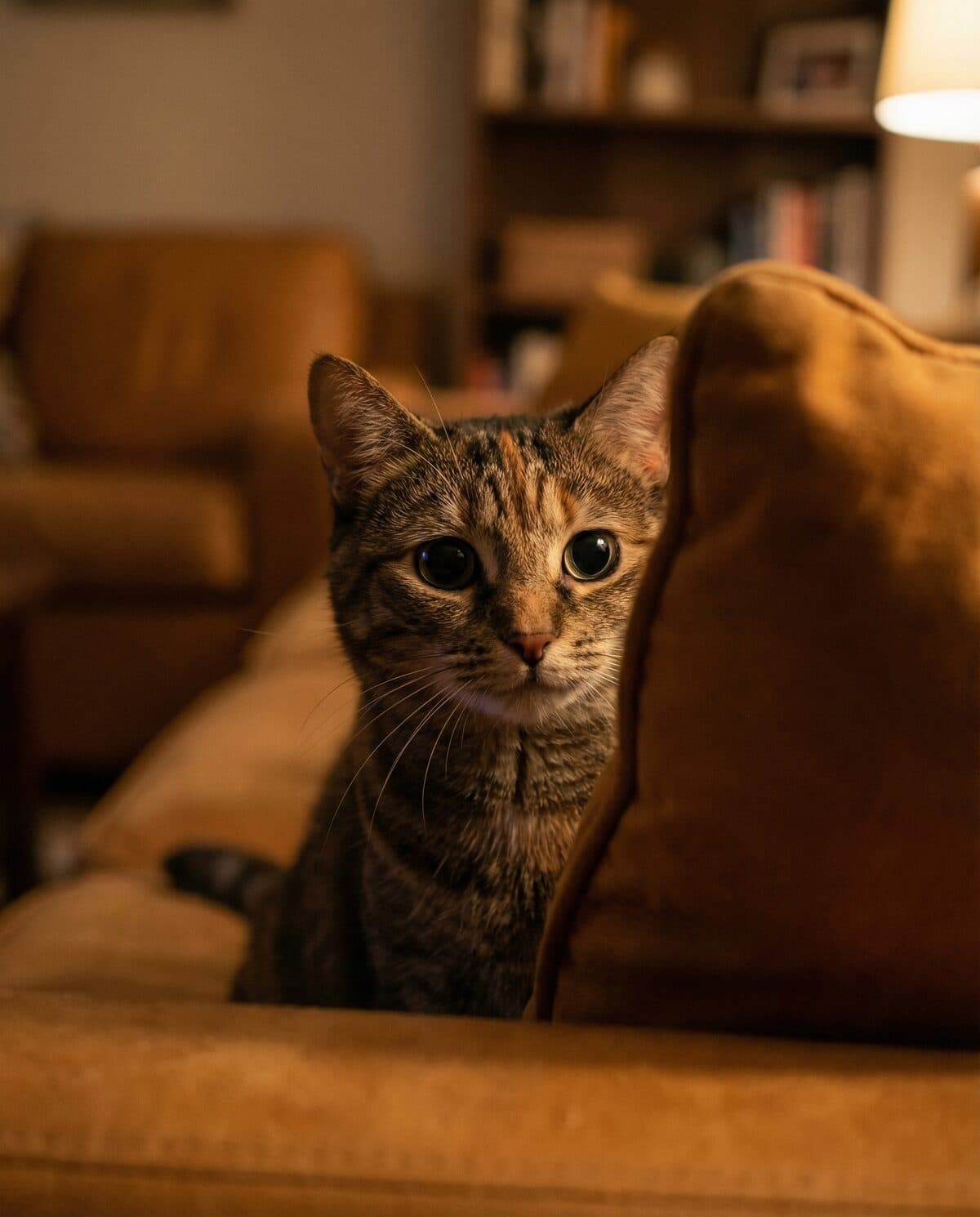
The Anxious Homebody
Your cat isn't antisocial — they're overwhelmed
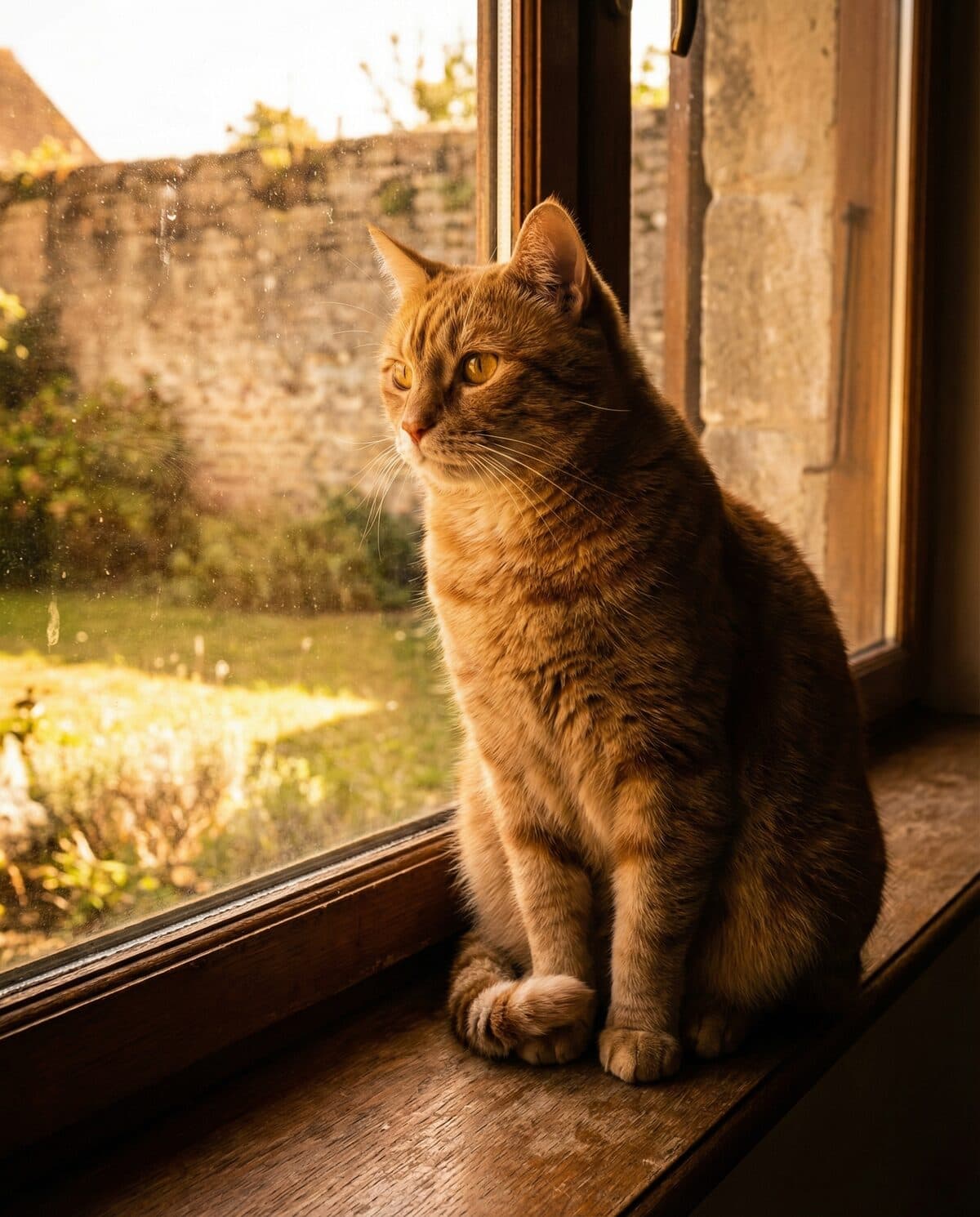
The Territorial Guardian
Your cat isn't mean — they're fighting for what they believe is theirs
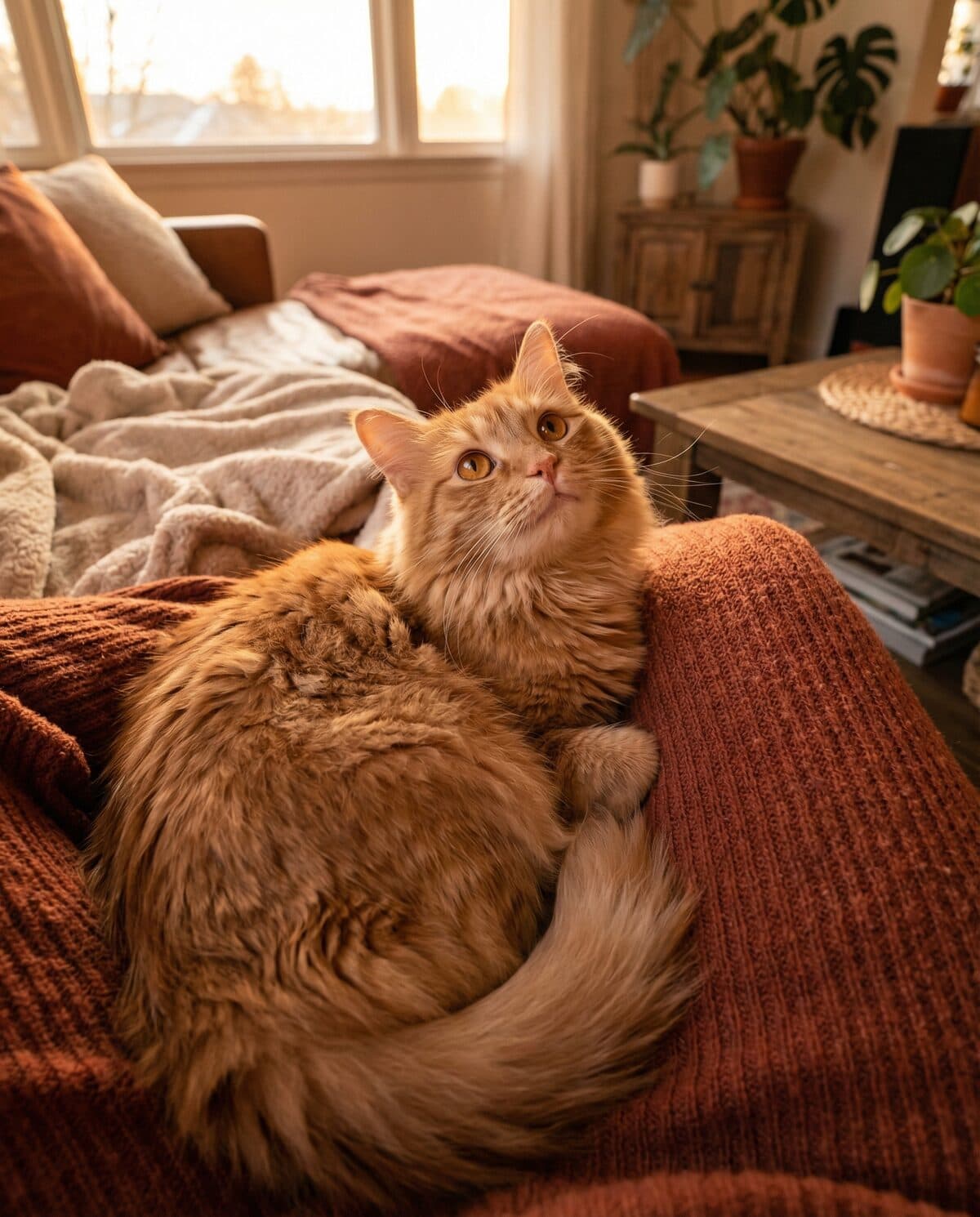
The Velcro Shadow
Your cat doesn't need space — they need to feel safe when you leave
The Wild at Heart
Your cat isn't broken — they're operating on a different trust timeline