Cat Archetype
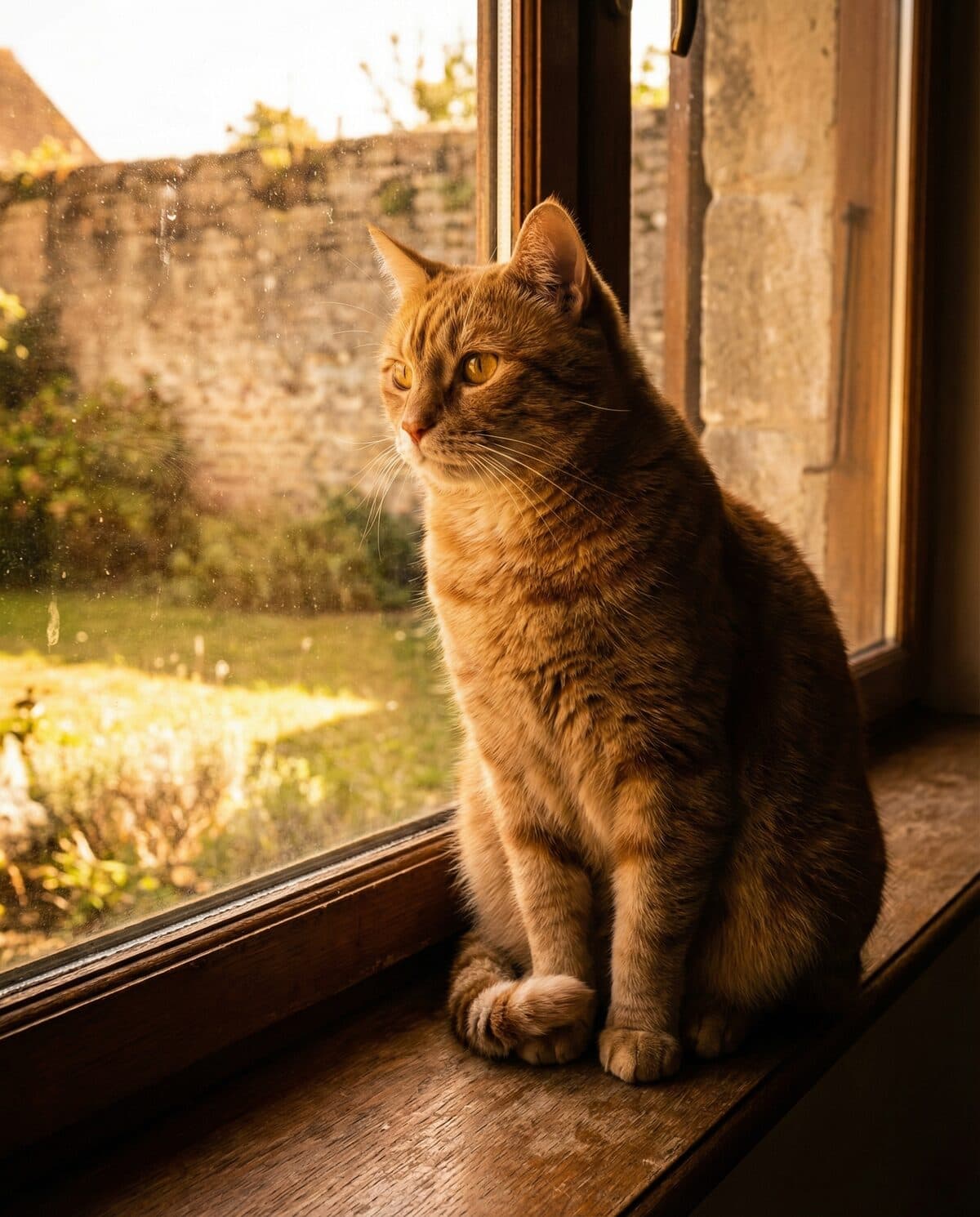
The Territorial Guardian
Your cat isn't mean — they're fighting for what they believe is theirs
Is This Your Cat? Take the Free QuizUnderstanding The Territorial Guardian
There is a particular exhaustion that comes with living in a multi-cat home where one cat has declared war on everyone else. You hear the screaming from another room and sprint in, heart pounding, only to find fur on the floor and one cat slinking away while another sits frozen in shock. You've tried separating them, reintroducing them, getting more litter boxes, buying a bigger house in your mind. The Territorial Guardian has decided the rules, and every other cat in the building is either an ally to be tolerated at a distance or an intruder to be expelled. This is not malice. It is a deeply instinctual, ancient drive — and it can be worked with.
Cats are, by evolutionary design, solitary hunters whose survival depended on exclusive access to territory and resources. Unlike dogs, who evolved in pack structures, cats did not develop strong social-cooperative systems with their own species. When we put multiple cats together under one roof, we're asking them to override millions of years of instinct. Most cats reach a functional détente. The Territorial Guardian, however, has a threat-assessment threshold calibrated to any encroachment at all. The trigger is almost never random aggression — it is almost always perceived competition for something: food, resting space, attention, access to a room, a sunbeam, a litterbox. Because the resources are artificially clustered (as they are in any home), the Guardian is perpetually in conflict-detection mode. The spraying is communication: chemical boundary markers broadcast to every other cat that this is claimed space. The ambushes are enforcement.
The transformation path for the Territorial Guardian runs through resource expansion, environmental restructuring, and very careful positive association work. You cannot simply tell a cat that resources are abundant — you have to make the spatial experience of abundance physically real. The 12-week protocol addresses the physical layout of the home first, then works on the cognitive and emotional layer: teaching the Guardian that other cats in proximity do not threaten resource access, and that coexistence yields more pleasurable outcomes than conflict. Results require patience and commitment to environmental change, but the households that go through this process consistently describe it as transformative — not just for the Guardian, but for the entire multi-cat dynamic.
Signs Your Cat Is Territorial Guardian
Attacks or ambushes other cats in the household
Sprays or marks vertical surfaces and doorways
Guards food, sleeping spots, or specific rooms
Stares down and stalks other pets with intense focus
Escalates quickly from still stare to full attack
Becomes more aggressive when confined or when resources are clustered
Common Behaviors You Might Recognize
- 🐱Blocks doorways or hallways so other cats cannot pass without confrontation
- 🐱Sprays the front door, windowsills, or new items brought into the home
- 🐱Attacks another cat the moment it approaches a food bowl, sleeping spot, or owner
- 🐱Chases a cat out of a room and then patrols that room possessively
- 🐱Hisses or swats at guests who approach while the cat is resting in its claimed space
- 🐱Escalates inter-cat tension over weeks until serious fights erupt without apparent trigger
💪 Strengths
- Confident and self-possessed — not easily intimidated or shaken
- Alert and highly spatially aware
- Deeply protective of their core family and bonded people
- Clear communicator — signals are direct rather than ambiguous
⚠️ Challenges
- Multi-pet households become war zones without proper resource and space management
- Spraying creates persistent odor problems and property damage
- Escalating inter-cat aggression causes chronic stress for all animals in the home
- The cat's confidence and directness makes redirecting behavior genuinely challenging
The 12-Week Training Plan
Resource audit — separate feeding stations, water sources, litter boxes, and resting areas
Vertical territory expansion — cat trees, shelves, and high perches to increase perceived space
Scent management — understanding marking triggers and neutralizing contested zones
Feliway MultiCat introduction and baseline stress reduction protocol
Positive association building between the Guardian and other household cats
Structured sight-line separation and graduated controlled exposure
Play therapy to redirect predatory drive away from social targets
Environmental enrichment to reduce boredom-based territorial arousal
Reintroduction protocol for severely conflicted multi-cat households
Reading escalation ladders — intervening before conflict erupts
Establishing safe zones where each cat has inviolable space
Long-term cohabitation maintenance: harmony systems that don't require constant management
Not Sure If This Is Your Cat?
Take our free quiz to discover your cat's exact behavioral archetype and get a personalized 12-week plan.
Take the Free Quiz →The 5 Cat Behavioral Archetypes
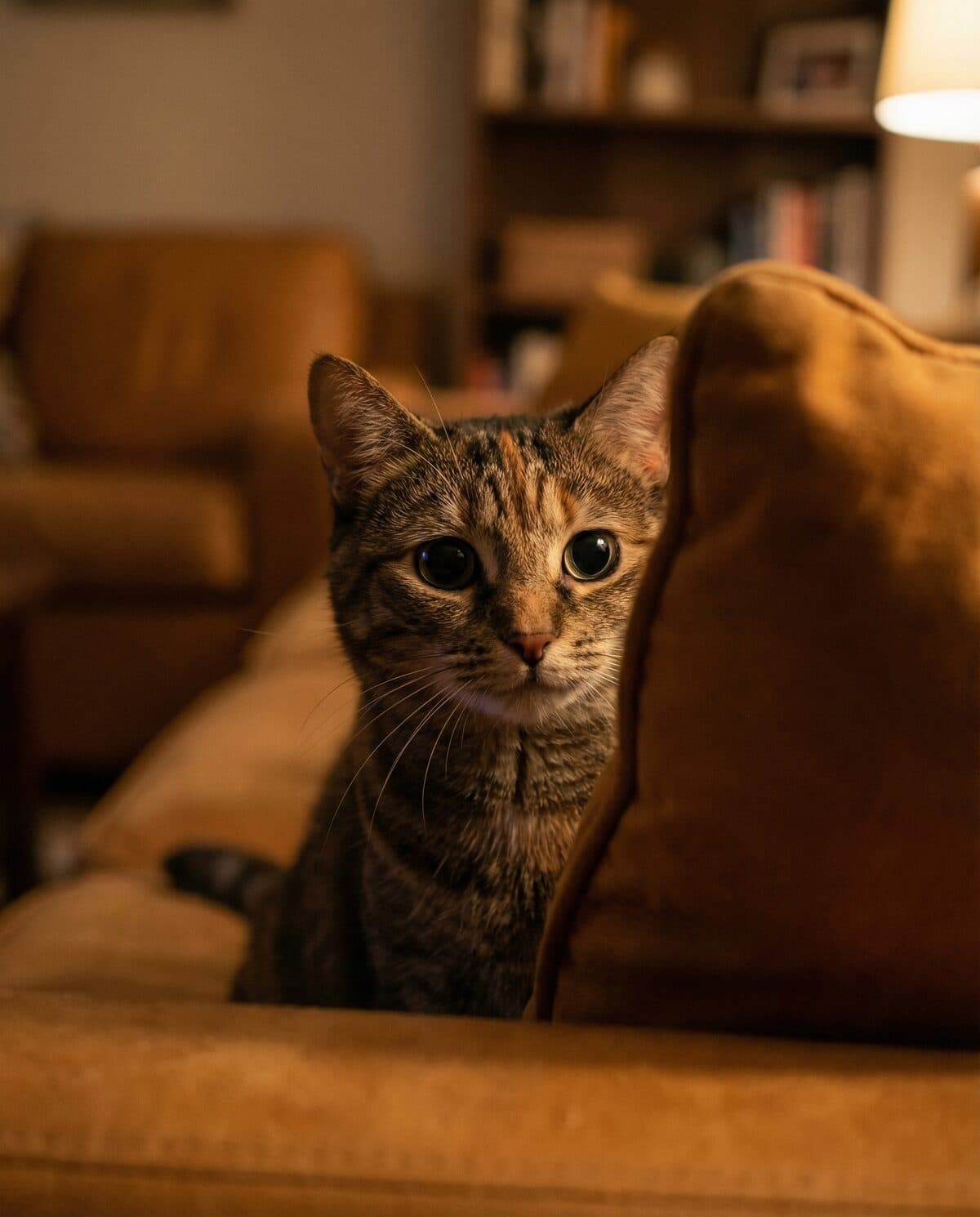
The Anxious Homebody
Your cat isn't antisocial — they're overwhelmed

The Overstimulated Hunter
Your cat isn't aggressive — they're speaking the language of the hunt
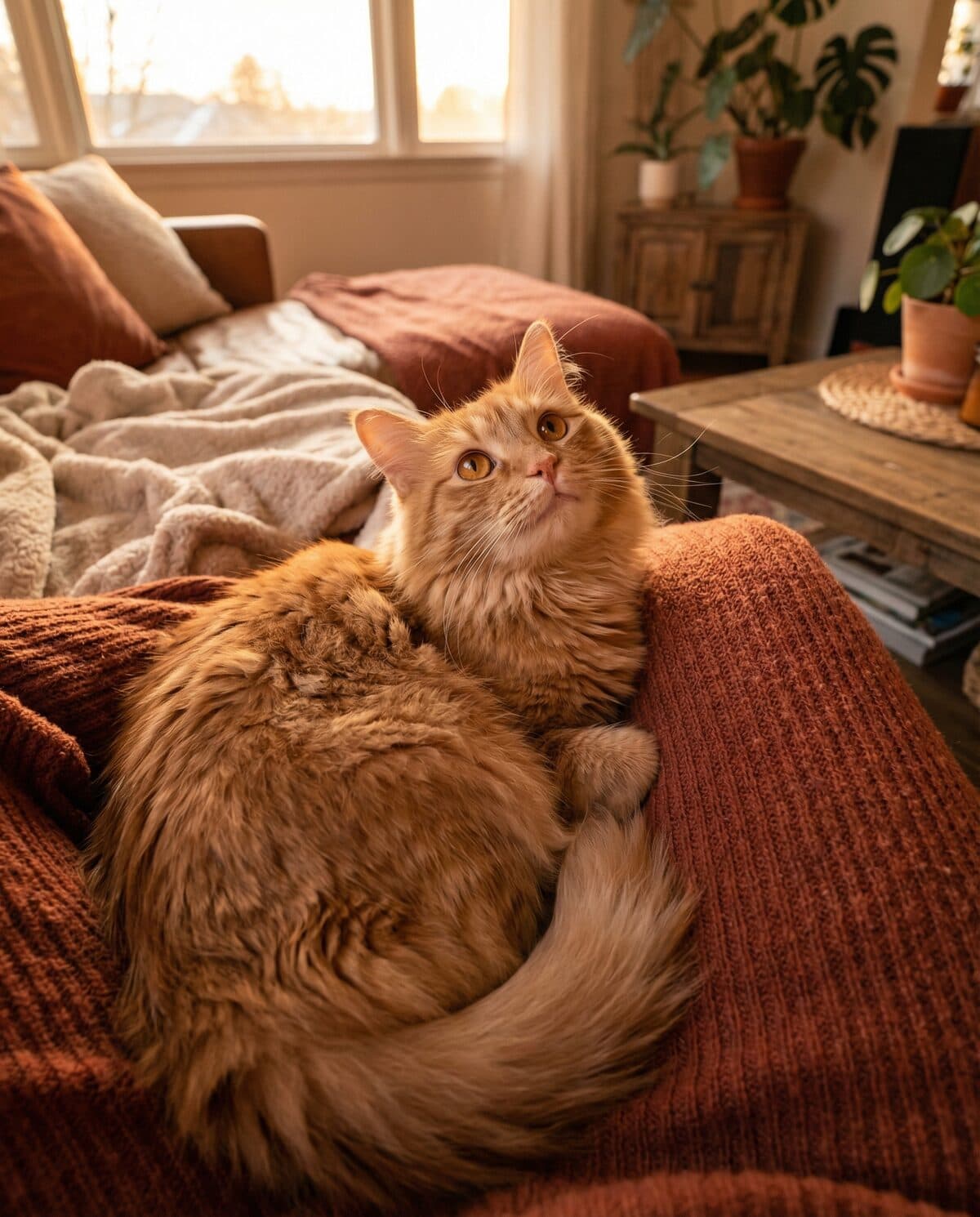
The Velcro Shadow
Your cat doesn't need space — they need to feel safe when you leave

The Wild at Heart
Your cat isn't broken — they're operating on a different trust timeline